
Creating the BEST Script Portfolio: 7 Tips for Aspiring TV Writers (PT. 5)
Film Execs want you to have this in your portfolio of sample scripts. Lessons from the 'Insecure' HBO writer's room.


Enjoy my interview transcript with Kira Talise, a former Staff Writer on Insecure, whom I met on the set of Season 5. Each write-up spotlights a screenwriting question with Kira’s insights, keeping her authentic voice intact while tightening for readability and clarity.
Question #5 - Simone asks:
What ratio of original pilot-spec scripts should be in my portfolio?
KIRA: I would say, what genre are you interested in writing?
And I hate when people ask me that question (laughs), because I don’t want to be just a Comedy writer or just a Drama writer, or just a Dramedy writer.
I just want to write.
And sometimes I want to write something more dramatic. And my stories are typically about Black people living Black-ass lives.
Sometimes it’ll be dramatic, and sometimes it’ll be romantic. I love to tell stories about families. And, of course, I love telling women-driven stories.
But, is that a genre? Because I don’t think that that’s Drama, Comedy, or Dramedy, right?
Having said that, what I can say is: identify the kind of stories that you want to tell — and then write that.
Whatever it is that you think you want to write, have a sample of that in your portfolio. If you think you want to write Animation, write an Animation script, even if it’s a spec of something that already exists.
I’m still a person who is submitting scripts to other people to review. So I have asked some of my showrunners, like, Would you rather see a spec, would you rather see original? I feel like, across the board, people prefer original content for sure.
But write a spec, if you have to write a spec, it’s better to have some sample than no sample at all.
If you’re going to write a spec, write one of a show that is in the vein of what you want to get hired to write — think career writing.
That way, you’ll be better prepared if you get an opportunity to get in front of a showrunner, producer, or whoever can help you get staffed in one of those writers’ rooms.
Let’s say your dream show is Shameless. Well, write something like Shameless!
Make it up yourself, but write something that has that tone and those kinds of characters, so that you have a real-life example of the thing that you think you want to do.
An example of the show you want to write for, or create.
And if there are 10 different types of shows, 10 different genres, then your portfolio should include a sample of each of those 10 things.
If you like Magical Realism, have a Magical Realism sample in your portfolio.
If you like Hard Comedy, have a Hard Comedy.
If you like Procedural shows, write an ER-style script.
Make something up and then write that, so that when you have that opportunity, you’re ready for it.
Let’s define “On Spec”: that means Speculative.
It’s your take when writing in the vein of a show that you love, and it’s going to be original, because that episode doesn’t exist. And you’re writing and submitting it.
The first spec that I wrote was at the end of Insecure Season Two. I wrote what would have been my take on Insecure Season Three, Episode One. I knew what the cliffhangers were.
And I answered the question, What is my take on what could happen potentially in the first episode of the third season, and that’s what I wrote.
Here ends Part 5.
In Part 6, Kira answers the age-old question: is Film School really necessary?
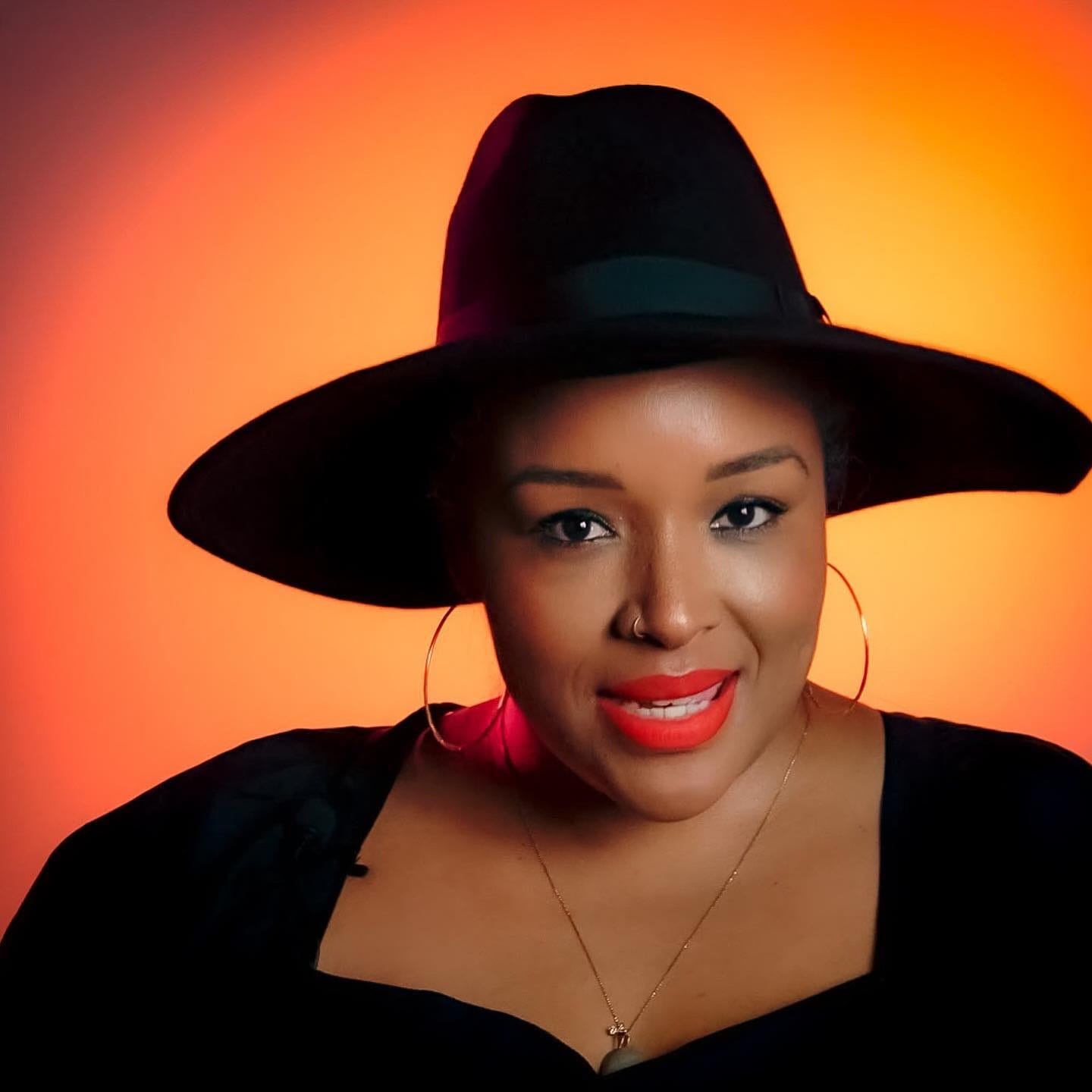
Kira Talise is a storyteller born and bred in Los Angeles, California, and was shaped by classic Black 90’s TV shows, and now boasts credits on modern-day classics, like HBO’s Insecure.
Having risen through the ranks quickly as a Script Coordinator and now Staff Writer, she is more focused than ever to run her own writers’ rooms and bring her stories to life.
Today, she shares her journey as a writer and answers burning listener questions about the art and business of television screenwriting in Hollywood.